
Solo travel is booming. More Americans than ever are hitting the road, boarding planes, and exploring the world on their own terms. According to recent data, more than 64% of today’s travelers are women, with a significant portion traveling solo. The freedom to set your own schedule, follow your instincts, and experience destinations without compromise is intoxicating.
But with that freedom comes responsibility. A 2025 survey revealed that nearly one in three experienced travelers (33%) have been victims of theft, scams, or other crimes while abroad. Despite this, 68% of respondents still report feeling safe traveling alone—largely because they take smart precautions.
This guide covers practical, real-world safety tips for solo travelers, from pre-trip planning to on-the-ground strategies that actually work. Whether you’re planning your first solo adventure or you’re a seasoned independent traveler, these tips will help you stay safe without letting fear hold you back.
Pre-Trip Planning: The Foundation of Safe Solo Travel
Research Your Destination Thoroughly
Start by learning everything you can about where you’re going. Look into local customs, transportation options, safety considerations, and cultural expectations. Not every part of a city is tourist-friendly, especially after dark.
Check government travel advisories on the official U.S. State Department website for updates and safety concerns. These alerts don’t always mean you shouldn’t go—but they flag areas or situations to be aware of.
For domestic solo travel within the U.S., it’s worth noting that a recent study identified New Mexico as the most dangerous state for solo travelers, while Massachusetts scored the safest spot due to relatively low violent crime and property crime rates.
Share Your Itinerary
Before you leave, share your full itinerary and accommodation details with someone you trust. Include hotel names, travel dates, and any day trip plans. Establish regular check-in times—that way, if anything goes wrong and you miss a check-in, they know to reach out and where to look for you.
Book Accommodations in Advance
Secure at least your first night’s lodging before landing in a new destination. Choose well-reviewed hotels, hostels, or vacation rentals in safe, central areas. Look for accommodations with strong safety features such as keycard access, secure entrances, or 24-hour front desks.
Invest in Travel Insurance
Travel insurance is one of the best investments you can make for your trip. It provides valuable protection for medical emergencies, cancellations, or lost belongings. You never know what can happen: missed planes, food poisoning, road accidents, or natural disasters. Comprehensive traveler protection including medical evacuation and security extraction is especially essential when traveling solo to destinations with limited medical infrastructure.
Packing Smart: Travel Light, Travel Safe
When you’re traveling solo, you’re responsible for carrying everything yourself. Pack light but smart.
Essential Gear to Pack
-
Portable phone charger that complies with airline restrictions
-
Basic first aid kit
-
Portable carbon monoxide detector—especially important for hotels, Airbnbs, and older rentals
-
Doorstop or portable door lock (like Addalock) for extra security in hotel rooms
-
Personal safety alarm or whistle to draw attention if something goes wrong
-
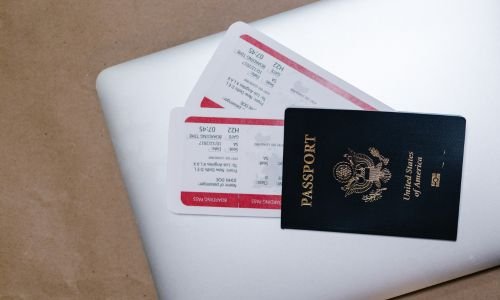
Copies of essential documents—passport, ID, visas, travel insurance, and reservation confirmations
-
Anti-theft bag or money belt to keep valuables secure in crowded areas
Document Strategy
Keep digital and physical copies of important documents separate from the originals. Store another copy securely in the cloud where you can access it from anywhere. As one expert puts it: “It’s not about expecting problems. It’s about making them easier to recover from if they happen”.
Accommodation Safety: Securing Your Home Base
Where you stay can make or break your solo trip. It’s not just about a good night’s sleep—it’s about feeling secure.
Before You Book
-
Look for places with lots of positive reviews, especially from other solo travelers
-
Choose accommodations in walkable areas close to food, transport, and attractions
-
Check the surroundings on Google Street View beforehand
When You Arrive
-
Don’t announce you’re traveling alone at check-in. Say “we” or “my friend is arriving later”
-
Check that doors lock properly, windows close securely, and the safe works
-
Note where emergency exits are—the same way you’d notice where the bathroom is
-
Use the deadbolt and latch every time you’re inside
-
Set up your portable carbon monoxide detector and ensure smoke detectors are working
-
If someone knocks claiming to be staff, call the front desk before opening the door
Transportation Safety: Getting Around Alone
Rideshare Services
When using Uber, Lyft, or similar services:
-
Verify the driver, photo, and license plate match the app
-
Instead of confirming your name, ask, “Who are you here for?”
-
Share your ride details with someone using built-in safety features
-
If anything feels off, cancel the ride. It’s better to lose a few minutes than risk your safety
Public Transport and Taxis
-
Only use registered transport services
-
Avoid walking alone at night, especially in unfamiliar areas
-
If you’re unsure where you’re going, step into a café or store to regroup rather than wandering with your face buried in your phone
Situational Awareness: Trust Your Gut
“Shift your mindset from fear to a state of preparedness,” advises Kiersten “Kiki” Rich, founder of The Blonde Abroad.
Stay Alert, Not Anxious
Constant alertness is exhausting and unnecessary. A better approach is intermittent awareness—you notice your surroundings when you arrive somewhere new, when something feels off, or when you’re in transit. Most experienced travelers aren’t scanning constantly; they’ve trained themselves to notice what matters without over-processing everything else.
Practical Awareness Tips
-
Limit alcohol consumption to stay in control of your surroundings
-
Keep valuables out of sight—don’t flash expensive items, jewelry, or large amounts of cash
-
Avoid distractions in unfamiliar transport hubs
-
Walk like you know where you’re going—confidence is key
-
Trust your instincts. Your body processes threat signals faster than your conscious mind
Blend In
-
Dress to blend in with locals rather than standing out as a tourist
-
Skip the baseball caps with logos and tourist T-shirts
-
Avoid using headphones or earbuds in unfamiliar areas
Technology: Your Digital Safety Net
The right apps can make a real difference in solo travel safety.
Essential Safety Apps
-
Noonlight: A personal safety app with a hold-to-cancel panic button that silently alerts emergency services if you release it without entering your PIN
-
NomadHer: A destination safety community and travel buddy platform exclusively for solo female travelers, with identity verification required to join
-
WanderSafe: Provides interactive location-based maps and a personal safety concierge that alerts you if you’re entering an unsafe area
-
Am I Safe: A personal safety check-in app that acts as your silent guardian
-
SafeBeacon: Lets designated guardians follow your route in real time
Digital Security
-
Enable two-factor authentication on key accounts
-
Avoid open Wi-Fi for anything sensitive unless using a trusted VPN
-
Disable auto-join on public networks
-
Plan how you’ll stay connected—international phone plans, eSIM options, or local SIM cards
Solo Female Travel: Additional Considerations
Women face unique safety considerations when traveling alone. According to a 2025 survey, 74% of men said they usually feel safe traveling alone, while only 51% of women expressed the same level of confidence. Women are the fastest-growing segment of global solo travelers, but they’re also the most deliberate in how they assess risk, pack, and choose destinations.
For solo female travelers, top safety destinations include the Netherlands, Australia, Austria, Iceland, and Canada, according to Berkshire Hathaway Travel Protection’s annual list. Denmark ranks as the safest country for solo female travelers, where 83% of women feel safe walking alone at night.
Checklist: Quick Solo Travel Safety Summary
Before You Go:
-
Research destination thoroughly
-
Check U.S. State Department travel advisories
-
Share itinerary with trusted contact
-
Book accommodations in advance
-
Purchase travel insurance
-
Make copies of essential documents
What to Pack:
-
Portable phone charger
-
First aid kit
-
Carbon monoxide detector
-
Doorstop or portable door lock
-
Personal alarm or whistle
-
Anti-theft bag or money belt
On the Ground:
-
Trust your instincts
-
Limit alcohol consumption
-
Keep valuables out of sight
-
Verify rideshare details
-
Secure your room at all times
-
Stay aware of surroundings
-
Check in regularly with someone at home
Final Thoughts
Solo travel doesn’t require constant vigilance. It requires a few quiet systems that make uncertainty less important. Many solo travel safety practices aren’t dramatic—they’re routine. Letting someone know your general plans, keeping your phone charged before long transitions, and avoiding distractions in unfamiliar places.
When those systems are in place, you’re not thinking about safety all the time—you’re just free to move through the world with more confidence and less noise in your head.
FAQ: Solo Travel Safety Questions Answered
Is solo travel safe for women?
Yes, solo travel can be safe for women with proper preparation. According to a 2025 survey, 68% of solo travelers reported feeling safe traveling alone in most destinations. The key is research, preparation, and situational awareness.
What are the safest countries for solo travelers in 2026?
According to Berkshire Hathaway Travel Protection’s annual list, the top five safest countries for solo travelers in 2026 are the Netherlands, Australia, Austria, Iceland, and Canada.
What’s the most dangerous state for solo travel in the U.S.?
A 2025 study found New Mexico to be the most dangerous state for solo travelers, while Massachusetts ranked as the safest.
Should I bring a doorstop when traveling solo?
Absolutely. Many experienced solo travelers recommend bringing a rubber doorstop or portable door lock (like Addalock) for hotel rooms to prevent doors from being opened from the outside.
What safety apps should I download before solo travel?
Top recommendations include Noonlight (panic button), NomadHer (solo female travel community), and WanderSafe (location-based safety alerts).
How do I avoid looking like a tourist?
Dress to blend in with locals, avoid flashy jewelry and tourist-branded clothing, don’t walk with your face buried in your phone, and walk with confidence.
Related Posts


Luxury Holidays Destinations
Luxury travel is no longer defined simply by five-star hotels…
Umrah Packages From USA With Airfare
Planning your sacred journey to Makkah and Madinah is one…